Pagina 365 is a FREE Windows desktop application for information modeling and system design, built as a space for learning, exploration, and experimentation. It empowers users to engage with information design concepts, prototype document structures and notation systems, and experiment with interactive tools, turning abstract ideas about information into tangible, structured experiences.
-
Structure Information & Knowledge
A system for exploring how documents, data, and knowledge can be organized and connected.
-
A Research-Driven Platform
Developed within the Structured Knowledge & Information Systems Lab to test ideas in real scenarios.
-
Inside Pagina 365
Document experiments, information models, data structures, and editor prototypes.
Text-Based Data Formats
-
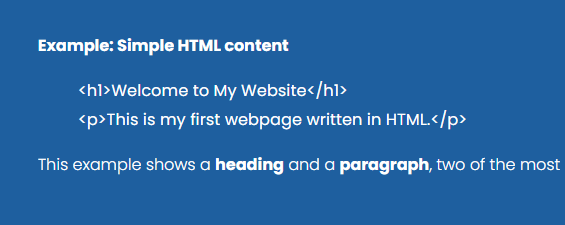
HTML Fundamentals
HTML (HyperText Markup Language) is the standard language used to structure content on the web. It uses markup elements called tags to describe different parts of a webpage, such as headings, paragraphs, links, and images.
-
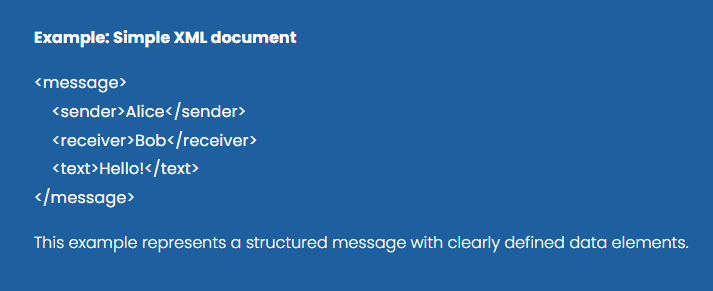
XML Fundamentals
XML (eXtensible Markup Language) is a text-based format used to store and transport structured data. Unlike HTML, which focuses on displaying information, XML is designed to describe and organize data in a readable and flexible way.
-
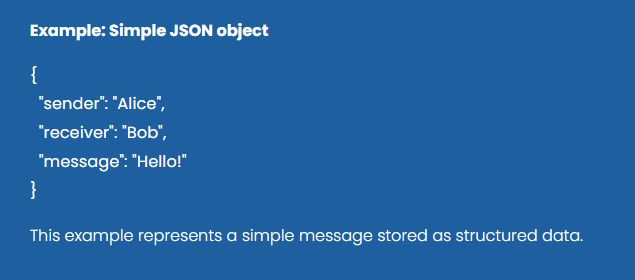
JSON Fundamentals
JSON (JavaScript Object Notation) is a lightweight text-based format used to store and exchange data. It is easy for humans to read and write, and simple for machines to parse and generate.
-
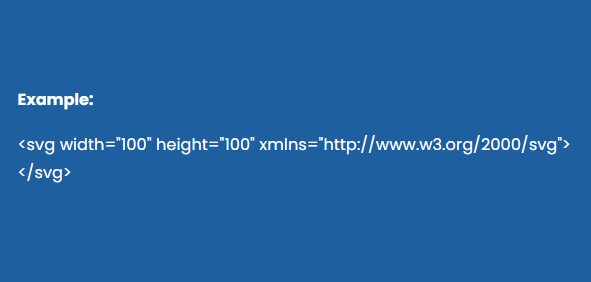
SVG Fundamentals
SVG (Scalable Vector Graphics) is an XML-based format used to describe 2D graphics. It is resolution-independent and ideal for web graphics.
-
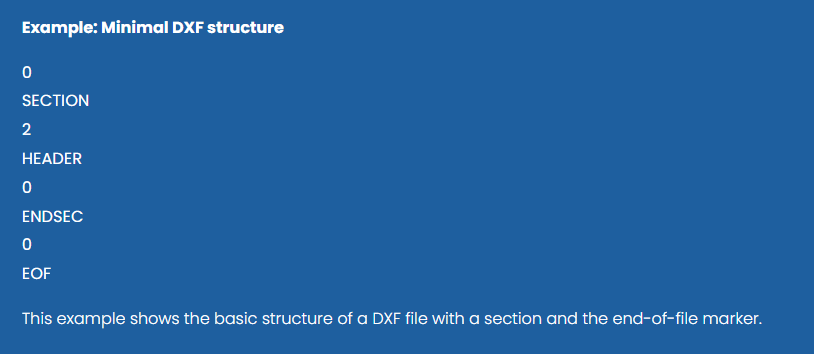
DXF Fundamentals
DXF (Drawing Exchange Format) is a text-based file format used to represent CAD drawings. It was developed by Autodesk to allow data exchange between CAD applications.
-
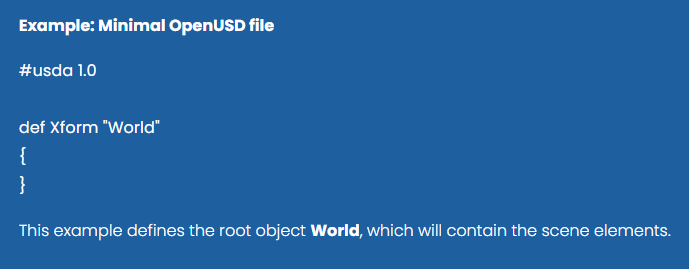
USD Fundamentals
OpenUSD (Open Universal Scene Description) is a framework and file format used to describe complex 3D scenes. It allows applications to represent objects, geometry, materials, lighting, and relationships within a structured scene graph.